
Is Your Skin Barrier Damaged? 7 Signs Your Skin Is Asking for Help
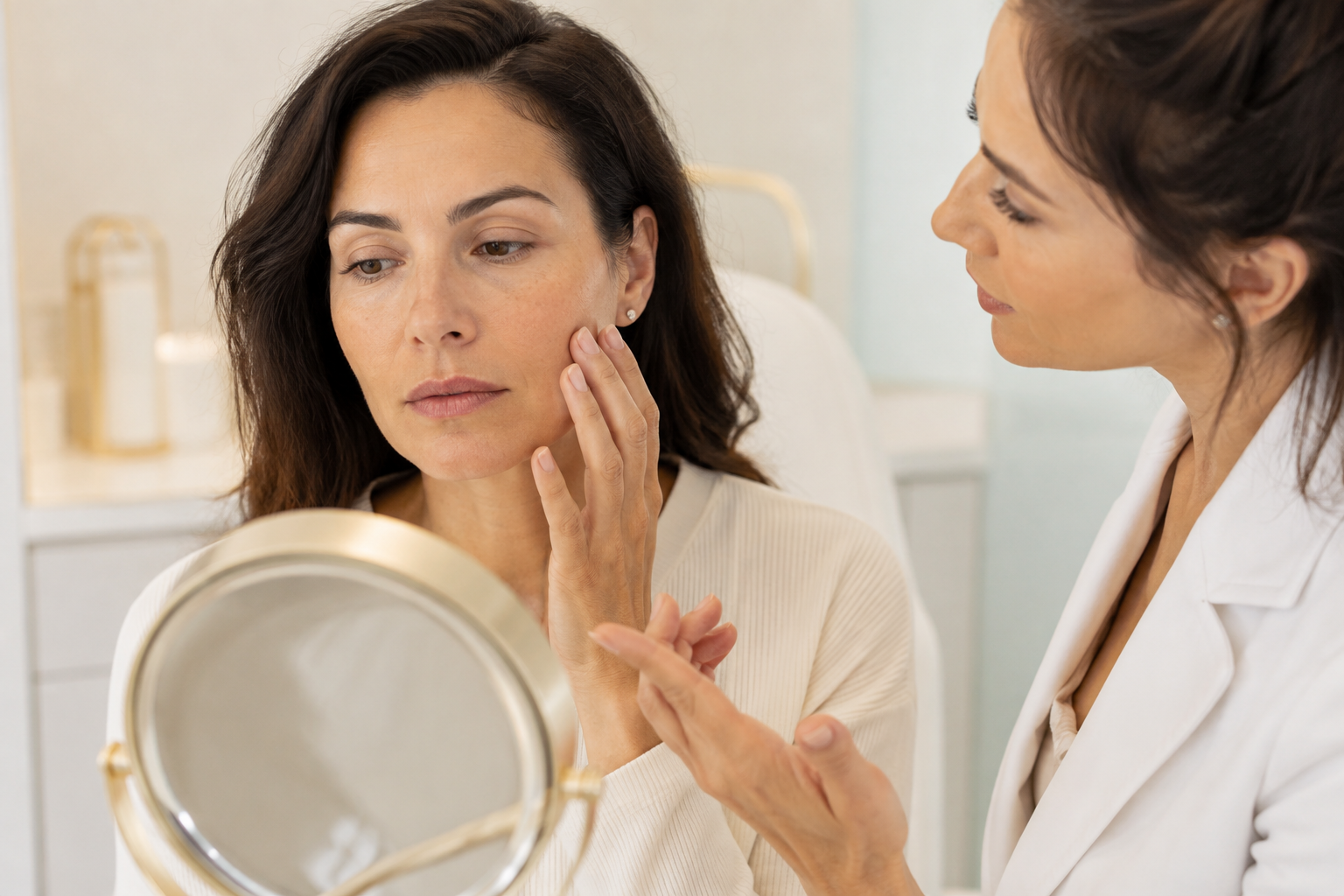
Is Your Skin Barrier Damaged? 7 Signs Your Skin Is Asking for Help
You buy another serum.
You switch cleansers.
You add an exfoliating acid because someone on social media says it transformed their skin.
Then suddenly, products you've used for months start to sting. Your face feels tight after cleansing. You're seeing dry patches in one area and breakouts in another.
The problem may not be that your skincare isn't strong enough.
Your skin may actually be asking you to do less.
One of the most overlooked parts of achieving healthy-looking skin is maintaining a healthy skin barrier.
At GlowMD Aesthetics & Wellness Institute in Katy, TX, we believe effective skincare begins with understanding what's happening with your skin before adding more products or treatments.
Here's what your skin barrier does and the signs that it may need some extra attention.
What Exactly Is Your Skin Barrier?
Your skin barrier refers primarily to the outermost layer of your skin.
Think of it as your skin's protective shield.
It helps keep moisture in while protecting your skin from environmental stressors and irritants.
When that protective barrier is functioning well, your skin may appear smoother, hydrated, balanced, and comfortable.
When it's disrupted, things can feel very different.
Products that were once comfortable may sting. Your complexion may appear dull or irritated. Your skin may feel unusually dry, tight, or sensitive.
And one of the biggest mistakes people make at this stage is adding more active ingredients in an attempt to fix the problem faster.
Sometimes your skin needs the opposite.
7 Signs Your Skin Barrier May Need Attention
1. Your Face Feels Tight After Cleansing
Your skin shouldn't consistently feel painfully tight or stripped after washing your face.
That "squeaky clean" feeling isn't necessarily a sign that your cleanser is working better.
It may indicate that your cleansing routine is removing more oil from the skin than necessary.
If you're immediately reaching for moisturizer because your face feels uncomfortable after cleansing, it's worth evaluating your routine.
2. Products That Never Bothered You Suddenly Sting
You apply your usual serum or moisturizer and suddenly feel burning or stinging.
That's worth paying attention to.
It doesn't automatically mean you've developed an allergy to the product. Changes in your skin's condition can sometimes affect how well products are tolerated.
Rather than layering additional products over irritated skin, consider having your routine professionally evaluated.
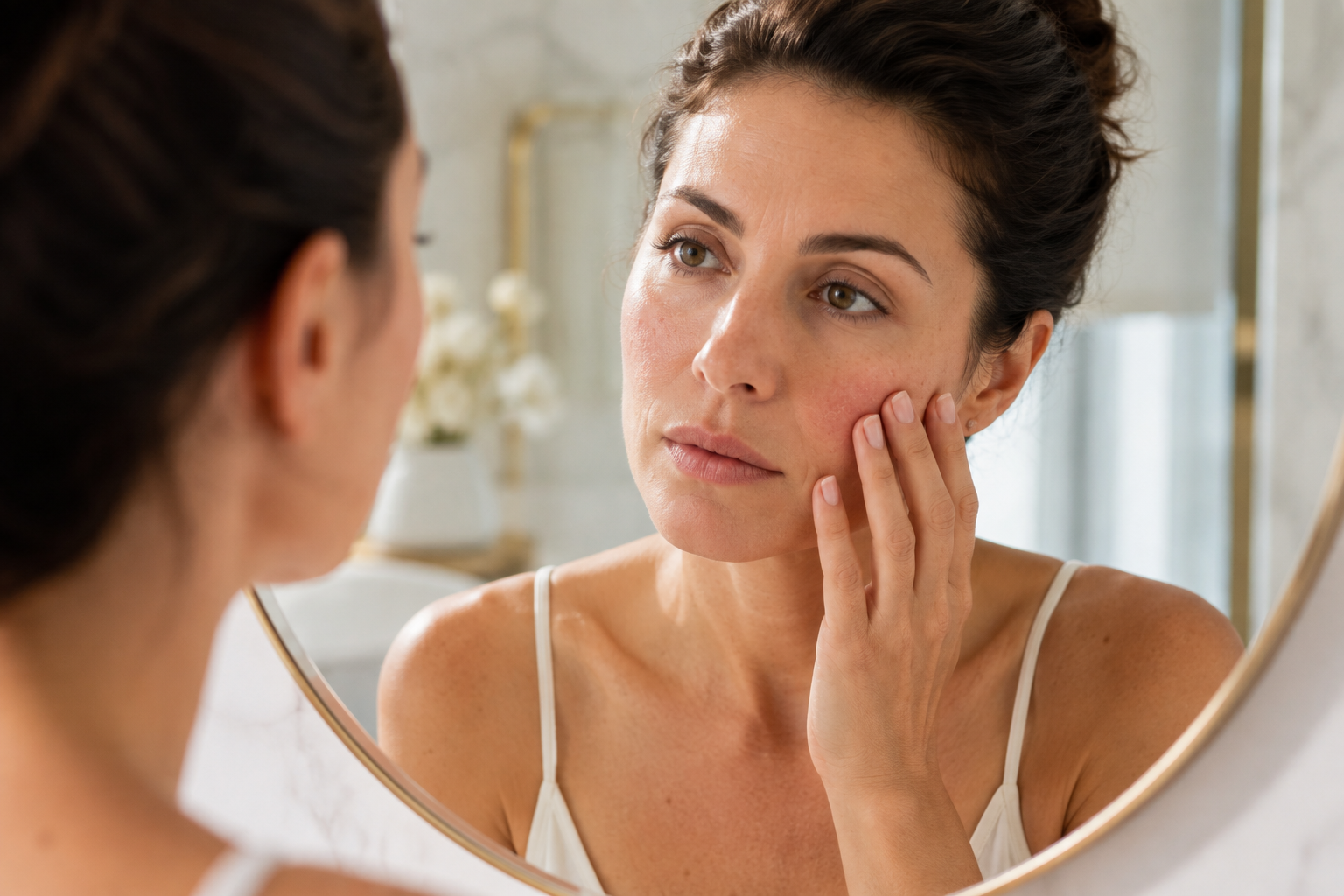
3. You're Experiencing Flaking and Dry Patches
Dryness can occur for many reasons, but persistent flaking combined with tightness or sensitivity may signal that your skincare routine needs adjustment.
Common culprits can include:
Over-cleansing
Excessive exfoliation
Using multiple active ingredients simultaneously
Environmental changes
Not using enough moisturizer
Inadequate sun protection
Healthy-looking skin doesn't require aggressive exfoliation every day.
4. Your Skin Is Both Oily and Dehydrated
This one surprises many patients.
Skin can appear oily while still lacking adequate hydration.
You might notice shine across your forehead and nose while your cheeks feel tight or uncomfortable.
This is one reason simply choosing products labeled for "oily skin" doesn't always solve the problem.
Your skin type and your skin's current condition aren't necessarily the same thing.
A professional skin consultation in Katy, TX can help determine what's actually happening before you invest in another product.

5. You're Suddenly Breaking Out More Often
Breakouts are complicated and can have many causes.
But when breakouts appear alongside dryness, sensitivity, stinging, or excessive exfoliation, it's worth looking at your entire routine.
Using an aggressive cleanser, exfoliating toner, retinoid, acne treatment, scrub, and peel simultaneously isn't always better.
More treatment does not automatically equal better skin.
Sometimes simplifying the routine is an important part of getting your skin back on track.
6. Your Skin Looks Dull No Matter How Much You Exfoliate
Dullness often makes people reach for another exfoliating product.
And then another.
But if excessive exfoliation is contributing to irritation, adding another acid may be counterproductive.
Professional skincare is about knowing when to exfoliate and when not to.
At GlowMD, we look at the overall condition of your skin before recommending professional treatments such as facials, HydraFacial, chemical peels, microneedling, or medical-grade skincare.
Not every treatment is appropriate for every patient at every appointment.
7. You've Built a 10-Step Routine but Your Skin Looks Worse
More products aren't necessarily better.
Social media has normalized complicated routines involving:
cleanser + toner + essence + exfoliant + serum + retinol + another serum + moisturizer + oil + mask.
Your skin may not need all of that.
A well-designed skincare routine may actually be surprisingly simple.
The goal should be to use products that have a purpose and work together rather than creating the longest possible skincare routine.
What Can Damage or Disrupt Your Skin Barrier?
Several factors can contribute to irritation or barrier disruption.
These may include excessive exfoliation, harsh cleansing, environmental conditions, sun exposure, using too many active ingredients, or combining products that your skin doesn't tolerate well.
Even professional treatments need to be appropriately timed.
For example, someone preparing for or recovering from a chemical peel or microneedling treatment may need different skincare instructions than someone simply maintaining healthy skin.
That's why professional guidance matters.
Should You Stop All Your Skincare?
Not necessarily.
The answer depends on what's causing your symptoms.
For some people, simplifying the routine and focusing on gentle cleansing, moisturization, and sun protection may be appropriate.
For others, persistent redness, itching, burning, rashes, acne, or other symptoms may require evaluation by an appropriate healthcare professional.
The important point is this:
Don't keep aggressively treating irritated skin simply because you think stronger skincare will produce faster results.
Where Medical-Grade Skincare Fits In
"Medical-grade" shouldn't mean buying the most expensive serum on the shelf.
Professional skincare should be purposeful.
At GlowMD, product recommendations are based on your individual concerns and treatment goals.
Your routine may include products intended to support:
Cleansing
Hydration
Antioxidant support
Targeted concerns
Moisturization
Daily sun protection
What you need depends on your skin.
That's why we recommend starting with a consultation rather than building your routine from random recommendations online.
Your Skin Doesn't Need Every Trending Treatment
HydraFacial.
Chemical peels.
Microneedling.
Dermaplaning.
Medical-grade skincare.
These can all have a place in professional aesthetics, but that doesn't mean you need all of them at once.
The best treatment plan is the one that makes sense for your skin today.
If your skin is irritated or highly sensitized, your provider may recommend addressing that first before moving forward with certain advanced treatments.
Once your skin is ready, a progressive treatment plan can address concerns such as texture, congestion, acne-related concerns, pigmentation, fine lines, and overall skin quality.
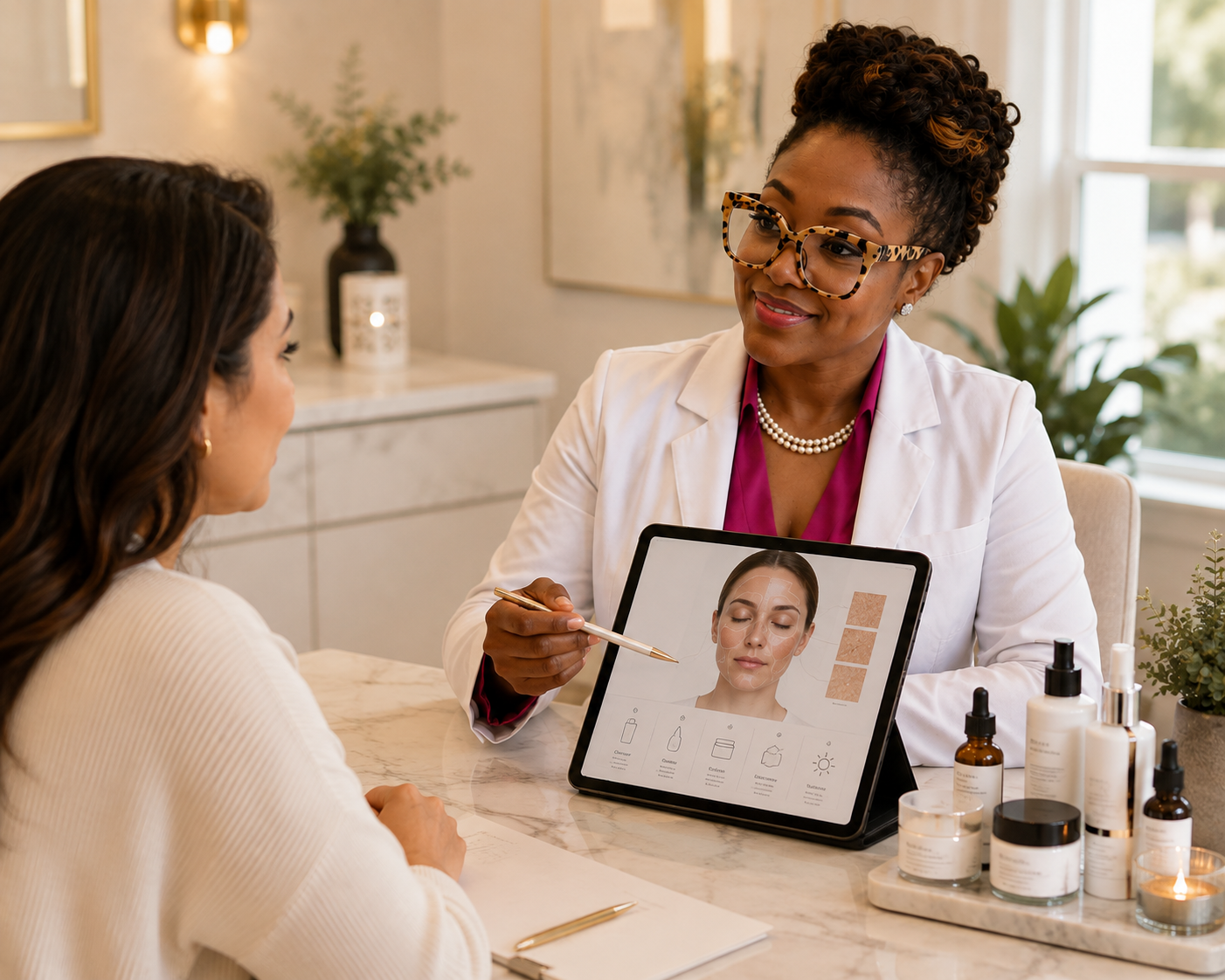
Why a Professional Skin Consultation Matters
If you've spent hundreds of dollars trying different skincare products without understanding what your skin actually needs, it may be time to stop guessing.
During a professional consultation, we can discuss:
Your primary skin concerns
Your current skincare routine
Products you're already using
Previous aesthetic treatments
Lifestyle factors
Treatment goals
Your tolerance for downtime
A realistic treatment and maintenance plan
The goal isn't to sell you the longest routine.
It's to help create a smarter one.

Healthy Skin Is a Long-Term Investment
Great skin isn't usually the result of one facial.
It's the result of consistency.
That may mean professional treatments at appropriate intervals, daily sun protection, a carefully selected home routine, and adjusting your plan as your skin changes.
Your skincare routine at 25 may not be the routine you need at 40.
Your routine in August may even need to look different from your routine in January.
Good skincare evolves with you.
Looking for Personalized Skincare in Katy, TX?
If you're dealing with dryness, sensitivity, uneven texture, breakouts, pigmentation, or simply aren't sure what your skin needs anymore, GlowMD can help you create a personalized plan.
At GlowMD Aesthetics & Wellness Institute, we take a thoughtful approach to professional skincare and aesthetic treatments.
Instead of chasing every trend, we focus on understanding your skin and helping you choose treatments and products that align with your individual goals.
Ready to Give Your Skin What It Actually Needs?
Schedule your skin consultation at GlowMD today.
