Hantavirus: The “Rat Virus” Everyone Suddenly Started Googling👀🐀

I was minding my business in the ER when a nurse walked up to me and asked:
“Do you think this patient who just came off a cruise ship could have Hantavirus?”
First of all…
Who comes up with these names? 🤣
One minute we’re treating dehydration and flu symptoms… the next minute the internet has everybody spiraling over a virus most people had never even heard of last week.
So let’s talk practically — not fearfully.
What Exactly Is Hantavirus?
Hantavirus is a rare but potentially serious virus linked mainly to rodents.
It spreads through exposure to:
Rodent droppings
Urine
Saliva
Dust contaminated by rodent waste
And before social media convinces everybody otherwise…
No.
You do NOT usually get Hantavirus from casually walking past someone at Target or the grocery store. 😩
This is typically associated with environmental exposure, especially in places where rodents have been living undisturbed.
Everyday Situations That Actually Increase Risk
The real-life scenarios are usually things like:
Cleaning out an old attic
Sweeping mouse droppings in a garage
Opening a vacation cabin that’s been closed for months
Working in dusty sheds or storage spaces
Living in a home with significant rodent infestation
Notice a pattern?
It’s usually tied to breathing in contaminated dust particles after disturbing rodent waste.
The Biggest Mistake People Make
One of the worst things you can do is:
❌ Sweeping or vacuuming dry rodent droppings
Why?
Because it can send contaminated particles into the air.
Instead:
✔ Spray the area first with disinfectant
✔ Let it soak
✔ Wear gloves and a mask
✔ Wipe carefully instead of dry sweeping
Simple habits matter more than panic.
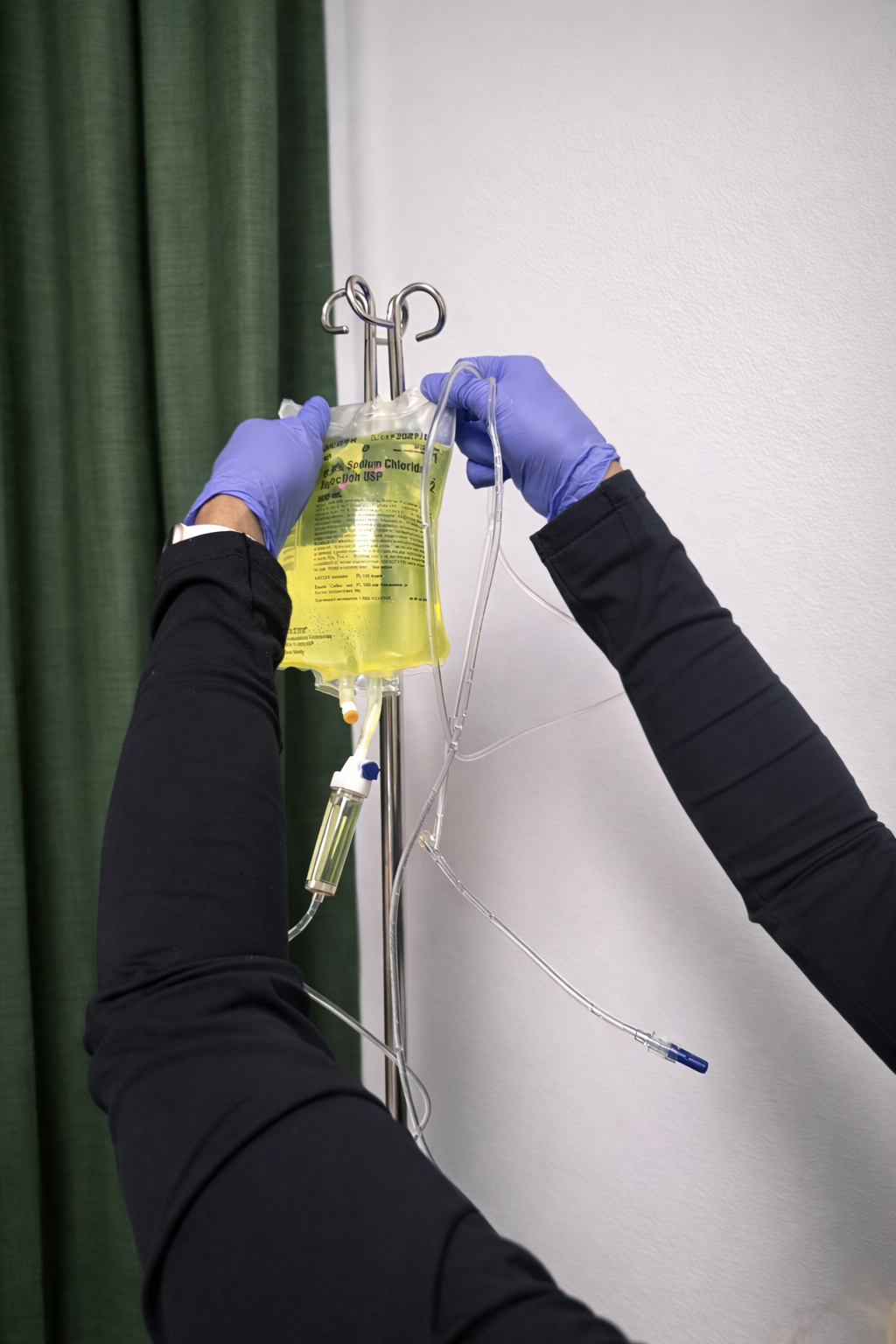
Immune IV
www.drglowtx.com/book
Practical Prevention Tips
Here’s the non-dramatic, real-life prevention list:
✔ Don’t sweep dry rodent droppings
✔ Wear gloves and a mask when cleaning contaminated areas
✔ Disinfect before wiping
✔ Seal holes around the home
✔ Store food properly
✔ Handle pest problems early — not six months later 😭
Honestly, prevention is usually very straightforward.
What Symptoms Look Like
Here’s why it sometimes gets confusing:
Early symptoms can look very similar to the flu.
Symptoms may appear anywhere from 1 week to 2 months after exposure and can include:
Fever
Fatigue
Body aches
Headache
But in more serious cases, it can progress rapidly into:
Shortness of breath
Cough
Difficulty breathing
And that’s when medical attention becomes important quickly.
So Should Everyone Panic?
No.
Awareness is different from panic.
The internet loves turning rare illnesses into daily fear cycles, but most people are not at high risk for Hantavirus.
What does matter is being smart about:
Rodent infestations
Cleaning practices
Home maintenance
Early medical evaluation after significant exposure
My ER Physician Take
As an ER physician, I tell people this all the time:
Small daily habits prevent big emergencies.
Most health scares become far less scary when you understand:
how something spreads,
who is actually at risk,
and what practical prevention looks like.
Knowledge calms fear. Panic helps nobody.
— Dr. Omerine 🤍
Boost your immunity with out Immune Drip @GlowMD
Book now!
#Hantavirus #ERDoctor #KatyTX #HealthAwareness #PreventiveHealth #DrGlowMD #KatyDoctors #MedicalEducation #WomenInMedicine